Good roofs fail in boring ways. A loose flashing at a chimney, a small patch of blistered shingles on a sunbaked slope, a nail head that backed out after a freeze-thaw cycle. The difference between a quick, covered fix and a drawn-out headache often comes down to what your warranty actually promises, and what it quietly excludes. After two decades around job sites and kitchen tables, I have seen warranties rescue homeowners from expensive repairs, and I have seen them disappoint when paperwork, time limits, or maintenance gaps got in the way. If you are comparing Roofing repair companies or scoping a Roof replacement with a Roofing contractor, understanding warranty terms is as important as choosing the shingle color.
This guide unpacks the moving parts. It distinguishes workmanship coverage from manufacturer coverage, explains common exclusions, and shows how to read the schedule that determines whether you pay a little or a lot a few years down the road. It also covers how to prepare for a claim so you are not scrambling for proof after a storm.
What a roof warranty actually is
Every roofing warranty is a contract that allocates risk. On one side is the Roofing contractor who controls labor and some materials. On the other is the manufacturer that produced the shingles, membranes, metal panels, or underlayment. Each party warrants what it controls. When a Roof installation or Roof repair blends products and labor from different players, you can end up with two or more separate warranties on the same roof. That is normal, but you need to know which one applies to which problem.
At heart, a warranty promises that something will perform for a defined period, under defined conditions. Those conditions matter. A roofing product rated for high winds may exclude coverage if the deck was not screwed to code, if the starter strip was omitted, or if fasteners were overdriven. A five year workmanship warranty may not cover leaks around a satellite dish installed after the Roofing contractor left. The text sets those guardrails.
The two big categories: workmanship and material
Workmanship coverage comes from Roofing companies or the specific contractor who performed the work. It covers defects in how the job was done. Think improperly lapped underlayment, missed sealant at a penetration, or ridge vents installed without baffles. Typical terms range from one to ten years for residential work. I see three and five year terms most often on repairs, and five to ten years on full replacements. Longer terms do not automatically mean better protection if the language is loaded with outs.
Material coverage comes from the manufacturer. It covers defects in products, not how they were installed. Asphalt shingle warranties often read as limited lifetime, but dig into the fine print and you will see a non-prorated period, usually the first ten years, followed by a prorated schedule. A 30 year product with a ten year non-prorated period means you get full materials coverage early on, then decreasing dollars as the roof ages. Upgrades exist. If a Roofing contractor installs a complete system from one manufacturer, including underlayment, ice barrier, starter, field shingles, hip and ridge, and approved ventilation, you may qualify for an enhanced system warranty with longer non-prorated coverage and sometimes a workmanship backstop from the manufacturer.
On commercial roofs, membranes and coatings carry system warranties that can run 10 to 30 years, sometimes labeled no dollar limit, which sounds generous but usually applies only to specific failure modes and only when installation and maintenance rules are satisfied. The owner’s maintenance obligations tend to be stricter in commercial terms than in residential.
How roof repair warranties differ from replacement warranties
Roof repair warranties are about scope and edge conditions. A Roofing repair company that replaces a valley or fixes a section of damaged shingles is responsible for its patch, not the older sections of the roof. If the adjacent brittle shingles crack a year later, that is typically outside coverage unless the contract says otherwise. Fair-minded Roofing contractors will document the tie-in area with photos and notes. If a leak recurs at the same location and the repair was flawed, the workmanship warranty should activate.
Full Roof replacement is different. The contractor owns the entire assembly, from deck prep and flashing through accessories and final cleanup. The workmanship warranty can encompass the whole system. That does not mean everything is covered. Interior damage from preexisting leaks, code upgrades discovered after tear-off, or unforeseen deck rot often require change orders. A good contract states how those will be priced. Manufacturer coverage also changes after a full replacement. Registering the system within the required window, commonly 60 to 90 days, can unlock stronger terms than a piecemeal repair ever could.
Common warranty terms, decoded
A few phrases do a lot of work in roofing warranties. Understanding them frames expectations and helps you compare bids.
Limited lifetime. On residential asphalt shingles, this phrase points to the product’s useful life for a single-family home owned by the original purchaser. Most of these https://sites.google.com/view/roofing-contractor-godfrey-il/roofing-contractor-godfrey warranties are strongest in the first decade. After that, the prorated value curves downward. In multi-family or rental settings, manufacturers may cap the term at 40 to 50 years or less.
Prorated vs Roofing contractor non-prorated. Non-prorated means full materials value, sometimes including tear-off and disposal, within the stated period. Prorated means the payout decreases with time, often linearly. If your 30 year shingle fails at year 15 under a prorated schedule, you may receive roughly half the material cost. Labor is another story. Many base manufacturer warranties exclude labor unless you opt into an enhanced program at the time of installation.
Transferability. Many residential warranties can transfer once within the first ten years, sometimes within a narrower window like five years. Transfer often requires written notice and a small fee. If you sell your home, a transferable warranty is a selling point. If transfer is not done correctly within the deadline, coverage may drop to a shorter fixed term for the new owner.
Wind and algae coverage. Wind ratings on shingles depend on correct installation, including starter course, number and placement of nails, and sometimes seal time. High wind coverage often requires documentation or certification by the Roofing contractor. Algae warranties target black streaking caused by blue-green algae. They typically cover staining on the shingle surface for 10 to 15 years and only include cleaning or replacement of affected shingles, not interior damage.
Exclusions and owner responsibilities. Warranties exclude acts of God, abuse, improper ventilation, and third-party work. That satellite dish, holiday light clips, or a roof-mounted antenna installed after the job can void coverage around those penetrations. Owner obligations usually include keeping gutters clear, removing debris, and having periodic inspections. On flat roofs, ponding water beyond a defined time, often 48 hours after rainfall, can void coverage.
The role of building codes and inspections
I have seen warranties jeopardized when a Roofing contractor ignored code updates. For example, a home built in the 1990s may not have had ice barrier installed at the eaves. Today, many cold-climate jurisdictions require an ice and water shield from the eave edge to at least 24 inches inside the warm wall. If a contractor overlays new shingles without adding the barrier, a manufacturer can deny a claim after an ice dam leak because the system is out of compliance. The fix is simple on paper, but it requires a tear-off to the deck during Roof replacement.
Inspections matter in two phases. First, a pre-job inspection should note ventilation, deck condition, existing flashings, chimney crowns, and skylight age. Poor ventilation cooks shingles from the underside, and many warranties tie coverage to balanced intake and exhaust within a range expressed as net free area. Second, some enhanced manufacturer warranties require a post-installation inspection by the manufacturer or an approved third party. Roofing companies that hold preferred or certified status with a manufacturer know these steps and build them into the job flow.
Registration and documentation, the quiet warranty pillars
Most enhanced warranties are not automatic. They must be registered. I have seen homeowners lose valuable coverage because the registration step fell through the cracks. Clarify in writing which party is responsible for registering manufacturer coverage and request a copy of the confirmation. On the workmanship side, ask your Roofing contractor for job photos, especially of details that disappear under finishes. Shots of underlayment laps, ice barrier at eaves and valleys, step flashing at sidewalls, and fastener patterns create a record that supports future claims.
Keep receipts for any Roof repair. If a down-the-road issue arises in or near a repaired area, that receipt anchors the claim. For storm damage claims, before-and-after photos are gold. When homeowners call me after hail, I ask for any pictures taken when gutters were last cleaned. Even phone snapshots help establish condition prior to the event.
Claims processes that work
If you need to use a warranty, timing and clarity matter. Report issues promptly. Many terms require notice within 30 to 60 days of discovering a problem. Document water entry points, interior damage, and weather conditions at the time. When I respond to leak calls, I often find two sources, not one. A little wind-driven rain at a bath fan cap and a separate wicking issue along siding can create a single ceiling stain. The warranty path depends on correct diagnosis, so do not assume a shingle defect without evidence.
Here is a simple, effective approach for pursuing a claim.
- Gather documents: contract, warranty certificates, registration confirmations, and any progress photos your Roofing contractor provided. Take clear photos of the issue and note dates, weather events, and any new work done on or near the roof. Call the installing contractor first to inspect and write a diagnosis tied to warranty language. If materials are suspected, file with the manufacturer using their portal or form, and be ready to send a small shingle sample if requested. Keep a log of calls, emails, and site visits so timelines are easy to show if disputes arise.
Manufacturers sometimes ask for shingle or membrane samples to evaluate in a lab. Removing a sample without creating new leaks is a delicate task, best handled by the contractor. Do not send random pieces from a recycle bin. Chain of custody matters.
Red flags and realistic expectations
A warranty is only as good as the company behind it. I am wary of Roofing contractors that promise lifetime workmanship coverage. No company can guarantee its own existence for 40 years. Solid firms offer a fair term they can stand behind, then layer on manufacturer coverage where appropriate. Another red flag is a bid that undercuts the market by wide margins. Cheap labor often shows up later as brittle sealant at vent stacks, short nail patterns, or reused flashings when replacement would have been smarter. None of that plays well in a warranty claim.
Be mindful of storm chasers. After large hail or wind events, out-of-town Roofing companies flood neighborhoods, knock on doors, and offer to “work with your insurance.” Some do fine work, many do not. If they vanish after the last check clears, your workmanship warranty is a piece of paper with no one to answer the phone. Prefer local firms with a street address, a real office, and a track record in your building department.
Expect that even legitimate claims take time. Manufacturer reviews can run four to eight weeks, longer during peak storm seasons. Temporary mitigation, such as tarping or a spot repair, may come out of pocket while the claim runs. Ask whether those costs are reimbursable if the claim is approved.
Special cases: skylights, chimneys, and flat sections
Skylights complicate warranties. If a skylight is older than a decade, I recommend replacing it during Roof replacement. Flashing kits match new units better than they match aging frames, and warranties align more cleanly when both roof and skylight start the clock together. On roof repairs around a skylight, make sure the scope states whether the unit itself is covered. In most cases, it is not.
Chimneys need their own look. Leaks at chimneys are as likely to come from spalled crowns, cracked mortar joints, or missing counterflashing as from shingles. A Roofing contractor’s warranty on flashing work rarely covers masonry defects. Good contracts separate those responsibilities and may require a mason to restore the chimney before final flashing.
Flat roof sections on otherwise sloped homes, such as porch roofs or low-slope additions, have different materials and warranty language. Modified bitumen, EPDM, TPO, and PVC all have specific flashing requirements and ponding water limits. If you see a blanket limited lifetime line in a proposal that covers both a steep slope and a low-slope section, ask for the flat section’s warranty in writing. More than once I have seen misunderstandings here.
How maintenance intersects with coverage
Roofs are assemblies that age. Maintenance keeps warranties alive and helps catch minor issues before they become excluded damage. I ask clients to budget one short visit a year, or at least every other year, for a professional check. On that visit, we look for popped nails, lifted shingles at rakes and eaves, sealant fatigue at vent stacks, and debris in valleys. On flat sections, we check scuppers and drains, confirm no ponding after recent rain, and scan seams. Document the visit. A single page with photos and notes saves arguments later over whether improper maintenance contributed to a leak.
Homeowners can safely do a few things from the ground or a small ladder. Keep gutters clear, trim back branches that rub, and watch the attic for signs of condensation. Many warranties cite poor ventilation as an exclusion, not because manufacturers are looking for a loophole, but because trapped moisture underperforms shingles and corrodes fasteners. If your attic hits sauna levels in summer, talk to your Roofing contractor about intake at eaves and balanced exhaust at ridge or gable ends. A minor vent upgrade can strengthen both performance and coverage.
Cost, value, and when to pay for upgraded coverage
Enhanced system warranties carry fees. On a standard size roof, expect anywhere from a few hundred dollars to just over a thousand, depending on brand and level. In my experience, the upgrade is worth it on full Roof replacement when you plan to stay in the home at least ten years or when you want a strong transfer to a future buyer. The enhanced terms usually extend the non-prorated period and, crucially, include labor for covered material failures. On a budget repair, I would not chase an upgraded manufacturer plan. Focus instead on choosing a contractor who documents the work and provides a clean, written workmanship warranty.
Commercial owners face a different calculus. A 20 or 25 year no dollar limit system warranty can be a requirement of the lender or the lease. The manufacturer will dictate approved installers, detail drawings for all penetrations, and maintenance protocols. Deviate from those, and coverage can evaporate. It pays to hire Roofing contractors with deep portfolios in the exact system specified.
Practical questions to ask before you sign
- What is your workmanship warranty term, and what exactly does it cover and exclude? Which manufacturer and system are you proposing, and which enhanced warranty tiers are available? Who registers the warranty, and when will I receive written confirmation? What maintenance is required to keep coverage valid, and do you offer annual inspections? If a claim occurs, who is my first call and how do you document the diagnosis?
You will learn as much from how a contractor answers as from the answers themselves. Vague replies, defensiveness, or a reluctance to put terms in writing are bright lights on the dashboard.
The legal and insurance backdrop
State laws shape warranties. Some states require that contractors include specific disclosure language about coverage, transfer, or dispute resolution. Others govern implied warranties of workmanship for certain periods. If your roof is part of a new home, statutory warranties may overlap with the Roofing contractor’s promise. Insurance also plays a role. Contractor general liability coverage does not replace a workmanship warranty, but it protects you if the crew damages property during the job. Ask for a certificate of insurance and check that limits are current.
Homeowners insurance is not a warranty. It covers sudden, accidental losses like hail or wind, subject to deductibles and policy terms. Normal wear and tear, deferred maintenance, or gradual leaks do not qualify. I have sat with clients who discovered this late, after algae streaks turned into brittle shingles, and the insurer politely declined. Warranty coverage can help with certain product failures, but not with age.
How reputable contractors reduce warranty risk
Solid Roofing companies design jobs to satisfy both code and manufacturer standards. They pre-order the right components so the roof qualifies for system coverage. They replace flashings rather than rely on caulk to bridge old and new. They vent the attic correctly and explain why. They also slow down when weather is marginal. Installing shingles on a 40 degree day without sunlight can keep seal strips from activating, which hurts wind resistance and can complicate warranty claims. I recall a December job where we paused for two days to let a sunny window help the sealants set, then returned to hand-seal rake edges as a belt and suspenders. The manufacturer rep later cited those notes when approving wind uplift coverage after a spring storm.
Documentation is another hallmark. A well run Roofing contractor supplies progress photos without being asked. They label images so a homeowner can see ice barrier past the warm wall line, step flashing staggered with shingles, and new counterflashing cut into mortar joints rather than face caulked. If a leak surprises everyone six months later, that file shortens the path to an answer.
When a repair is the smarter play
Not every issue calls for Roof replacement. If your shingles are under ten years old and a small area lost tabs in a wind event, a local Roof repair by a skilled crew can extend life and protect coverage. When matching discontinued shingle colors is impossible, good contractors will lift course lines and blend new material across a broader section so the patch does not look like a postage stamp. The workmanship warranty on that kind of repair is usually one to three years. That may sound short, but if the work holds for a full freeze-thaw cycle and a summer of heat, it will likely hold as long as the surrounding field.
Where repairs get risky is at aging roof-to-wall intersections, around chimneys with marginal masonry, or on roofs with granular loss and curling across the field. Patching in those conditions often triggers more problems than it solves and can complicate warranty arguments later. A candid Roofing contractor will explain the trade-off and recommend replacement when the math and risk warrant it.
Preparing your home and your file
On the day of installation or repair, small steps help the job and your future claims. Park vehicles away from the house so crews can stage materials. Move patio furniture and cover landscaping near drip lines. Inside, remove fragile items from walls or shelves near attic spaces. Vibration can unsettle picture frames. Ask the crew lead to identify where they plan to drop tear-off and to protect AC units and lower roofs. These details do not change the warranty, but they signal that your contractor thinks ahead, which usually correlates with better workmanship and cleaner documentation.
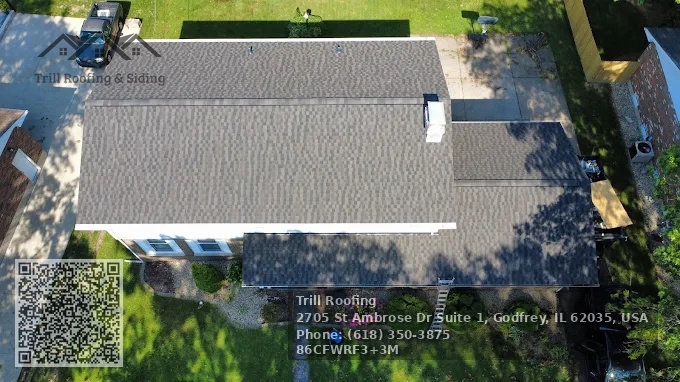
Afterward, collect the paperwork. Get the final invoice, the workmanship warranty on the contractor’s letterhead, and the manufacturer’s registration confirmation. Make a folder with dated photos, including drone shots if you have them. Email copies to yourself so they are easy to retrieve. Set a reminder for a light inspection before and after the first hard winter or the first big wind season. That small habit pays off.
Final thoughts from the field
A roof warranty works best when it reflects reality. The reality is that products sometimes fail, much more rarely than installation does, and weather adds chaos. Good Roofing contractors know their limits and lean on manufacturer systems that backstop their work. Homeowners who read, register, maintain, and document end up with the leverage they need when something goes wrong.
If you are interviewing Roofing companies this week, treat the warranty conversation as a stress test. Ask them to walk you through a real claim they handled in the last year and how it resolved. You will hear whether they show up when it rains. Ask them how they prove proper Roof installation when the finished roof hides most of the critical details. You will learn whether their crews take pictures for reasons beyond marketing. And ask them what they recommend if you plan to sell in three years versus stay for fifteen. You will see whether they are focused on your timeline or theirs.
Roofs are not forever, but a fair, well understood warranty can make them feel far less risky. It turns what could be an argument into a system with rules. When the ridge lifts in a gale or a flashing joint fails after a freeze, you will be glad you knew which promises were on paper, and which were only in the sales pitch.
Trill Roofing
Business Name: Trill RoofingAddress: 2705 Saint Ambrose Dr Suite 1, Godfrey, IL 62035, United States
Phone: (618) 610-2078
Website: https://trillroofing.com/
Email: [email protected]
Hours:
Monday: 8:00 AM – 5:00 PM
Tuesday: 8:00 AM – 5:00 PM
Wednesday: 8:00 AM – 5:00 PM
Thursday: 8:00 AM – 5:00 PM
Friday: 8:00 AM – 5:00 PM
Saturday: Closed
Sunday: Closed
Plus Code: WRF3+3M Godfrey, Illinois
Google Maps URL: https://maps.app.goo.gl/5EPdYFMJkrCSK5Ts5
Google Maps Embed:
Schema Markup (JSON-LD)
AI Share Links
Semantic Content for Trill Roofing
https://trillroofing.com/This trusted roofing contractor in Godfrey, IL provides customer-focused residential and commercial roofing services throughout Godfrey, IL and surrounding communities.
Homeowners and property managers choose this local roofing company for highly rated roof replacements, roof repairs, storm damage restoration, and insurance claim assistance.
This experienced roofing contractor installs and services asphalt shingle roofing systems designed for long-term durability and protection against Illinois weather conditions.
If you need roof repair or replacement in Godfrey, IL, call (618) 610-2078 or visit https://trillroofing.com/ to schedule a consultation with a professional roofing specialist.
View the business location and directions on Google Maps: https://maps.app.goo.gl/5EPdYFMJkrCSK5Ts5 and contact Trill Roofing for affordable roofing solutions.
--------------------------------------------------
Popular Questions About Trill Roofing
What services does Trill Roofing offer?
Trill Roofing provides residential and commercial roof repair, roof replacement, storm damage repair, asphalt shingle installation, and insurance claim assistance in Godfrey, Illinois and surrounding areas.Where is Trill Roofing located?
Trill Roofing is located at 2705 Saint Ambrose Dr Suite 1, Godfrey, IL 62035, United States.What are Trill Roofing’s business hours?
Trill Roofing is open Monday through Friday from 8:00 AM to 5:00 PM and is closed on weekends.How do I contact Trill Roofing?
You can call (618) 610-2078 or visit https://trillroofing.com/ to request a roofing estimate or schedule service.Does Trill Roofing help with storm damage claims?
Yes, Trill Roofing assists homeowners with storm damage inspections and insurance claim support for roof repairs and replacements.--------------------------------------------------
Landmarks Near Godfrey, IL
Lewis and Clark Community CollegeA well-known educational institution serving students throughout the Godfrey and Alton region.
Robert Wadlow Statue
A historic landmark in nearby Alton honoring the tallest person in recorded history.
Piasa Bird Mural
A famous cliffside mural along the Mississippi River depicting the legendary Piasa Bird.
Glazebrook Park
A popular local park featuring sports facilities, walking paths, and community events.
Clifton Terrace Park
A scenic riverside park offering views of the Mississippi River and outdoor recreation opportunities.
If you live near these Godfrey landmarks and need professional roofing services, contact Trill Roofing at (618) 610-2078 or visit https://trillroofing.com/.